Best WhatsApp Plus Privacy Settings You Should Enable
With so many privacy features packed into WhatsApp Plus, it can be genuinely overwhelming to figure out which settings actually deserve your attention versus which ones are more niche or situational. This guide cuts through that confusion by walking through the specific privacy settings that consistently deliver the most practical value for the widest range of users, along with guidance on how to configure each one thoughtfully.

Why a Curated Approach Makes Sense
WhatsApp Plus offers so many privacy toggles that simply turning everything on isn’t necessarily the smartest approach. Some settings work better in combination, some are more situational than universally useful, and enabling too many at once can sometimes create confusion about what’s actually happening with your visibility. Rather than an exhaustive list, this guide focuses on the settings that genuinely earn a place in most users’ everyday setup.
1. Hidden Online Status
This sits at the top of the list for good reason. Hiding your online status prevents your last-seen timestamp and active indicator from updating while you use the app, giving you the freedom to check messages without immediately signaling availability to every contact.
Why it matters: This single setting addresses one of the most universally relatable frustrations with standard messaging apps — the subtle social pressure created by others knowing exactly when you’re active.
How to enable it: Navigate to your privacy settings and locate the online status toggle, typically grouped with other visibility-related options.
2. Selective Blue Tick Control
Rather than a blanket on-or-off setting, look for the option to control read receipts on a more granular, per-conversation basis if your specific version supports it.
Why it matters: This lets you maintain normal read receipt behavior with close contacts who won’t mind, while gaining privacy breathing room in conversations where you’d prefer more flexibility before responding.
How to enable it: Check within your chat privacy settings for either a universal toggle or, ideally, per-conversation controls.
3. Ghost Mode for Deeper Browsing Privacy
For situations requiring more comprehensive privacy than just hiding online status alone, ghost mode combines multiple privacy signals into one cohesive feature, letting you browse chats with minimal visible activity.
Why it matters: This is particularly valuable during focused reading sessions, like catching up on a long group conversation, where you don’t want your extended activity to be obvious to others.
How to enable it: Locate the dedicated ghost mode toggle within your app’s core privacy settings menu.
4. Typing and Recording Indicator Control
Beyond just read receipts, disabling the visibility of typing and voice-recording indicators adds another meaningful layer of privacy during the actual message composition process.
Why it matters: This prevents the other person from watching you type and then stop, which can otherwise create unnecessary anxiety or pressure on both ends of a conversation.
How to enable it: This setting typically lives alongside other activity indicator controls within the same broader privacy section.
5. App Lock With Biometric or PIN Protection
While not strictly a messaging privacy setting in the same sense as the others, securing the app itself with a fingerprint, face unlock, or PIN adds a genuinely important layer of protection for your actual conversation content.
Why it matters: Even with strong messaging privacy settings enabled, anyone with physical access to your unlocked phone could otherwise browse your conversations freely. App lock closes this gap.
How to enable it: Look within your security or app lock settings section, typically found in the main settings menu rather than specifically under chat privacy.
6. DND Mode During Sensitive or Focused Periods
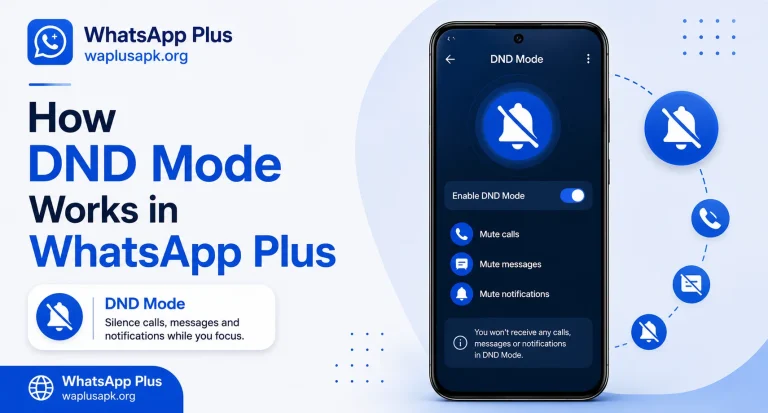
While covered in more detail elsewhere as a convenience feature, DND mode also functions as a genuine privacy tool, since it prevents any activity or read confirmations from occurring at all during the periods it’s active.
Why it matters: For situations requiring complete disconnection — sensitive meetings, personal time, or simply wanting zero visible activity — this offers the most comprehensive privacy option available.
How to enable it: Toggle this within the connectivity or DND-specific settings section whenever you need complete, temporary disconnection.
7. Profile Photo and About Info Visibility Restrictions
Beyond activity-based privacy, consider reviewing who can see your profile photo and personal “about” information, restricting visibility to contacts only rather than leaving it open more broadly.
Why it matters: This reduces unnecessary exposure of personal details to anyone who might have your number without being someone you’d want viewing your profile information.
How to enable it: This is typically found within account or profile privacy settings, similar to how official WhatsApp structures this same option.
Settings Worth Considering Based on Your Specific Situation
Beyond the core recommendations above, a few additional settings are worth enabling depending on your particular circumstances.
Backup encryption, if your specific version supports it, adds meaningful protection to your stored chat backups, which is especially worth considering if you regularly back up to cloud storage.
Custom notification privacy, which can prevent message previews from displaying on your lock screen, protects your conversation content from being visible to anyone glancing at your phone.
Group chat visibility controls, if available, let you restrict who can add you to group conversations without your direct consent, reducing unwanted group additions from unfamiliar contacts.
Settings That Are More Situational Than Universal
Not every available privacy setting deserves a permanent place in your configuration. Features like completely disabling delivery confirmations, for instance, can create confusion in professional or urgent communication contexts where confirming a message actually reached someone matters practically. Similarly, universally hiding your profile photo from all contacts, rather than just non-contacts, might feel excessive for people you communicate with regularly and who already know you well.
The key principle here is thinking through each specific setting’s practical trade-offs rather than assuming maximum privacy in every category is automatically the right choice for your particular situation.
Building a Cohesive Privacy Setup
Rather than treating each setting in isolation, think about how they work together as a complete system. Hidden online status combined with ghost mode gives you comprehensive browsing privacy. Selective blue tick control paired with typing indicator restrictions lets you compose thoughtful responses without visible pressure. App lock protects the whole system from physical access, regardless of your other settings.
Building this cohesive setup, rather than randomly enabling individual features, results in a genuinely comprehensive privacy posture that addresses multiple angles simultaneously.
Reviewing Your Settings Periodically
Privacy needs aren’t static — they shift based on your circumstances, relationships, and how you’re currently using the app. Periodically reviewing your enabled settings, perhaps every few months, ensures your configuration still matches your actual current needs rather than reflecting decisions made under different circumstances long ago.
Balancing Privacy With Practical Communication Needs
It’s worth acknowledging that maximum privacy settings aren’t always maximum convenience. Completely hiding all activity indicators, for instance, might occasionally create minor confusion with contacts who are used to relying on read receipts to gauge whether you’ve seen something important. Being thoughtful about which settings you apply universally versus selectively, based on your actual relationships and communication patterns, produces a more genuinely useful privacy setup than blanket, maximum restriction across every available toggle.
Frequently Asked Questions
Final Thoughts
The privacy settings within WhatsApp Plus offer genuinely powerful tools for managing your digital visibility, but getting real value from them requires thoughtful configuration rather than simply enabling everything available. Focusing on the core recommendations covered here — hidden online status, selective tick control, ghost mode, activity indicator restrictions, app lock, DND mode, and profile visibility controls — creates a comprehensive, practical privacy setup that addresses the concerns most users genuinely care about, without unnecessary complexity or unintended communication friction.