WhatsApp Plus vs Official WhatsApp: Which One Is Better?
Anyone who spends time in Android communities, tech forums, or even casual group chats has probably come across a debate that never really seems to settle: WhatsApp Plus versus the official WhatsApp app. It’s one of those comparisons where both sides have genuinely valid points, and the “better” choice really depends on what you personally value most in a messaging app. Rather than giving you a one-line verdict, it makes far more sense to break this down piece by piece, so you can decide for yourself based on what actually matters to your daily habits.
Understanding the Fundamental Difference First
Before comparing features, it helps to understand what these two apps actually are at their core. Official WhatsApp is developed, maintained, and officially supported by Meta. It goes through structured testing, security review, and consistent update cycles distributed through the Google Play Store.
WhatsApp Plus, by contrast, is a modified version built by independent developers using WhatsApp’s original code as a foundation, then layering in extra features. It isn’t distributed through the Play Store, isn’t reviewed by Google or Meta, and isn’t officially supported in any capacity. This single distinction shapes almost every other difference between the two apps.
Comparing Core Messaging Functionality
When it comes to the absolute basics — sending texts, making calls, sharing media — both apps perform essentially the same core job. Messages send and receive quickly, voice and video calls generally work well, and the overall chat experience feels familiar whichever version you’re using. This makes sense, since WhatsApp Plus is built directly on top of the official app’s underlying structure rather than being an entirely separate creation.
Where the two diverge significantly is in everything layered on top of that core functionality.
Privacy Controls: A Clear Advantage for WhatsApp Plus
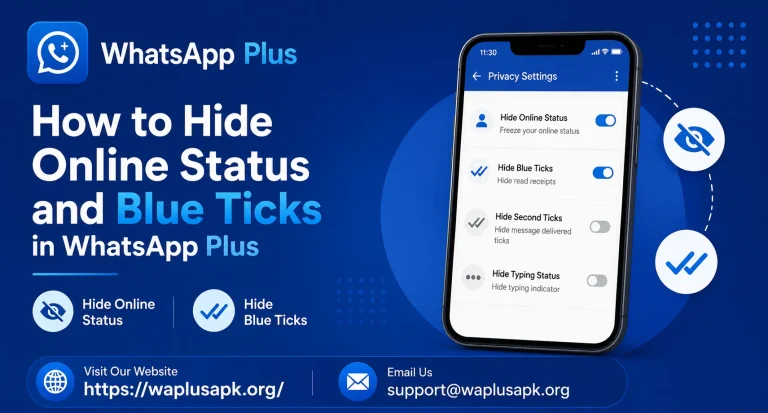
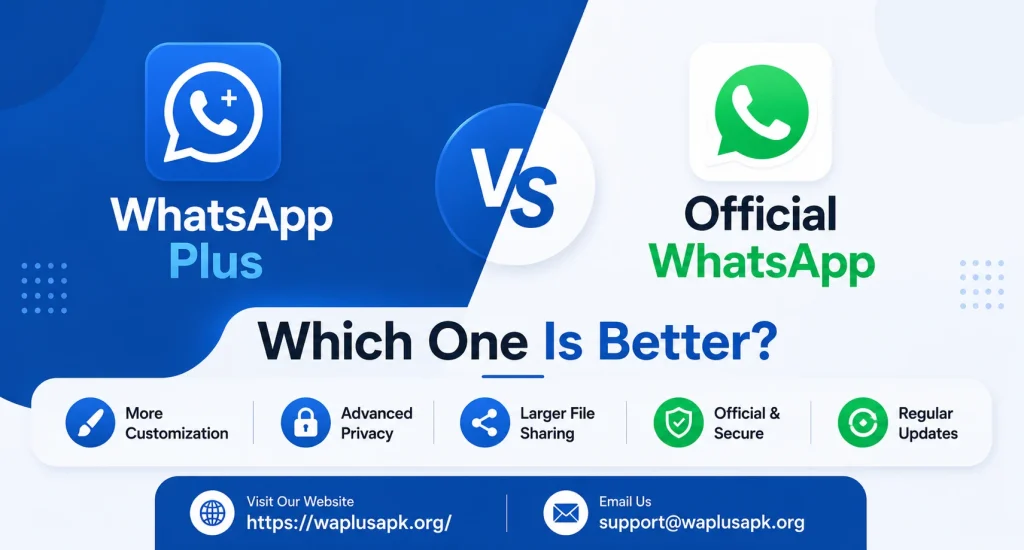
This is often the single biggest deciding factor for users choosing between the two. Official WhatsApp offers privacy settings, but they’re fairly binary — your online status is either visible to everyone or hidden from everyone, for example. WhatsApp Plus breaks this down into much more granular control, letting users hide their online status while still browsing normally, selectively hide read receipts on a conversation-by-conversation basis, and even disable typing indicators individually.
For users who value nuanced privacy control, this is a meaningful and tangible advantage that official WhatsApp simply doesn’t match, at least not yet.
Customization: Another Strong Point for the Modified Version
Official WhatsApp has slowly added a few customization options over the years, like basic chat wallpapers and a dark mode toggle. But it remains fairly limited compared to what WhatsApp Plus offers. Thousands of community-created themes, custom font options, and deeper interface tweaks give users a level of personalization that the standard app has never prioritized, likely because Meta focuses on consistency across billions of users rather than individual customization.
If personalizing your phone’s look and feel matters to you, this category leans heavily toward the modified version.
Security and Trustworthiness: A Clear Advantage for Official WhatsApp
Here’s where the comparison flips entirely. Official WhatsApp benefits from Meta’s dedicated security team, regular vulnerability patching, and end-to-end encryption that’s been independently audited and verified over the years. Every update goes through structured internal testing before reaching users.
WhatsApp Plus, because it’s modified and distributed outside official channels, doesn’t carry these same guarantees. Even if a particular version is built with good intentions, there’s no formal review process ensuring it’s free of vulnerabilities, and users have far less visibility into what’s actually happening inside the code they’ve installed. This is a genuinely important consideration, especially for anyone who uses WhatsApp for sensitive conversations or business communication.
Update Reliability: Official Wins on Consistency
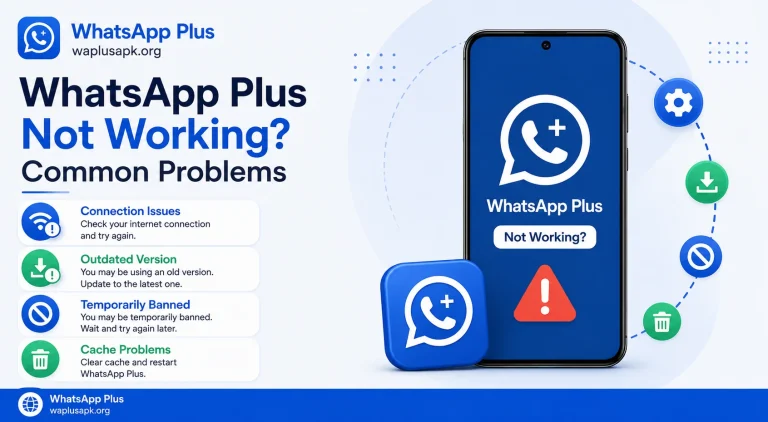
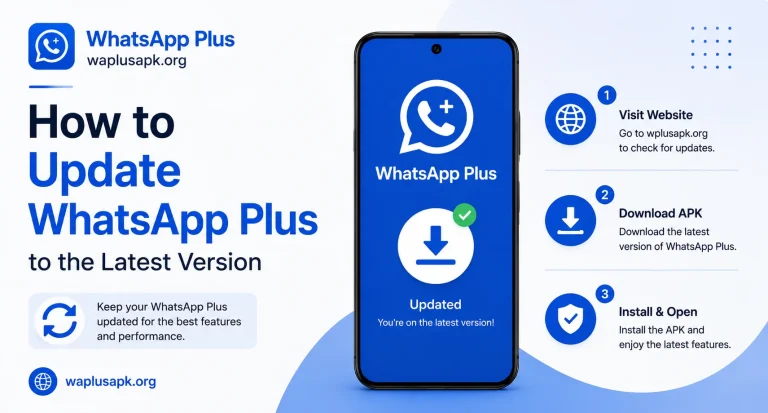
Official WhatsApp updates automatically through the Play Store, ensuring users always have the latest security patches and features without lifting a finger. WhatsApp Plus requires manual checking and installation of new versions, and update frequency varies significantly depending on which developer team is maintaining that particular build. Some versions are updated diligently; others are abandoned without warning, leaving users on outdated, potentially vulnerable software.
Account Safety: A Serious Consideration
This is arguably the most important practical difference between the two. Using official WhatsApp carries essentially zero risk of account suspension, since you’re using the app exactly as intended by its developers. WhatsApp Plus, on the other hand, violates WhatsApp’s Terms of Service by definition, and Meta has a documented history of banning or temporarily restricting numbers detected using unofficial modified clients.
This risk shouldn’t be dismissed lightly. For anyone whose WhatsApp number is tied to business communication, family coordination, or anything else genuinely important, the possibility of losing access — even temporarily — is a real cost that needs to be weighed against the extra features being gained.
Storage and Performance Considerations
Official WhatsApp is optimized specifically for a huge range of devices, from budget phones to flagship models, ensuring reasonably consistent performance across the board. WhatsApp Plus, depending on the specific build and how well it’s optimized, can sometimes run slightly less efficiently, use more storage, or occasionally experience minor bugs that the official app has already ironed out through years of refinement.
This doesn’t mean WhatsApp Plus performs poorly across the board — many versions run smoothly — but it does mean performance consistency is less guaranteed compared to the polished, extensively tested official app.
Customer Support: No Real Comparison Here
If something goes wrong with official WhatsApp, there’s a structured support system, help center, and established process for resolving account issues. With WhatsApp Plus, there’s no official support channel at all. Any troubleshooting relies on community forums, developer-specific support groups, or simply trial and error. If your account gets banned or the app malfunctions, you’re largely on your own to figure it out.
Who Should Choose Official WhatsApp
Official WhatsApp makes the most sense for users who prioritize security, reliability, and account safety above all else. If you use WhatsApp for business communication, financial transactions, or any context where losing access even temporarily would cause real problems, sticking with the officially supported version is the more sensible choice.
Who Should Choose WhatsApp Plus
WhatsApp Plus tends to appeal most to users who value privacy customization and personal control over their messaging experience, and who are comfortable accepting some level of risk in exchange for those benefits. If you’re someone who has felt consistently frustrated by the limitations of official WhatsApp’s privacy settings, and you’re using a secondary number or are willing to accept the small but real possibility of a ban, the modified version offers genuine, tangible advantages.
A Middle-Ground Approach Many Users Take
Interestingly, a lot of experienced users don’t frame this as an either-or decision at all. Many keep official WhatsApp on their primary number for essential communication, while experimenting with WhatsApp Plus on a secondary number specifically to explore its extra features without risking their main account. This hybrid approach lets people enjoy the benefits of both without fully committing to the downsides of either.
Making the Decision That Fits Your Needs
Ultimately, there’s no universally correct answer to which app is “better,” because the two apps are optimized for genuinely different priorities. Official WhatsApp optimizes for security, reliability, and broad accessibility. WhatsApp Plus optimizes for personalization and granular privacy control, at the cost of some security guarantees and official support.
The right choice comes down to being honest with yourself about what you value most, how you use WhatsApp in your daily life, and how much risk you’re comfortable accepting in exchange for extra functionality. Neither choice is objectively wrong — they simply serve different types of users with different priorities.
Frequently Asked Questions
Final Thoughts
Comparing WhatsApp Plus and official WhatsApp isn’t really about crowning one clear winner. It’s about understanding the genuine trade-offs involved and matching that understanding to your own personal priorities. If reliability and security top your list, the official app remains the safer, more sensible choice. If personalization and deeper privacy control matter more to you, and you’re willing to accept the associated risks, WhatsApp Plus offers a compelling, feature-rich alternative that continues to attract a loyal user base despite operating outside the officially supported ecosystem.