How to Download and Install WhatsApp Plus Safely on Android
If you’ve been hearing about WhatsApp Plus from friends, online forums, or tech communities, and you’re wondering how to get it running on your Android phone, you’re definitely not alone. Millions of Android users search for this modified messaging app every single month, drawn in by promises of extra customization, hidden features, and more control over privacy than the official app offers. But before you dive in, it’s worth slowing down and understanding exactly what you’re installing, how the entire process actually works, and what precautions responsible users take to protect their phone, their data, and their WhatsApp account in the process.

What Exactly Is WhatsApp Plus?
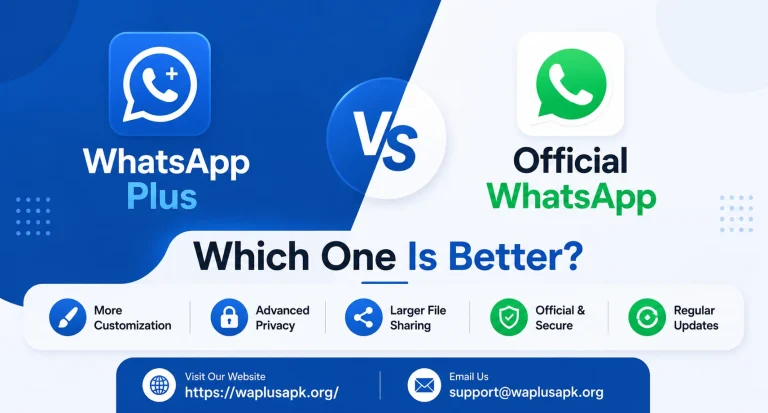
WhatsApp Plus is what’s commonly known as a “modded” application — a version of WhatsApp that has been rebuilt and modified by independent developers, not by Meta, the company that actually owns and maintains the official WhatsApp app. These independent developers take the original app’s underlying code and rework it, layering in features that the official version simply doesn’t offer, such as advanced theming options, extended privacy toggles, and deeper interface customization.
Because it isn’t developed, reviewed, or maintained by Meta, WhatsApp Plus is not available on the Google Play Store. This is the very first thing every user needs to understand clearly, because it changes everything about how the installation process works, how updates happen, and who is responsible for the app’s safety and reliability going forward — which, in this case, is you.
Why People Look for WhatsApp Plus in the First Place
Before jumping into installation steps, it helps to understand the real appeal behind this app, because that context shapes how you should approach the whole process. Most people searching for WhatsApp Plus are typically looking for one or more of the following:
- More granular control over who can see their online status
- Custom themes, wallpapers, and fonts beyond what official WhatsApp allows
- Options to hide read receipts, typing indicators, or “last seen” timestamps
- Larger file-sharing limits for photos, videos, and documents
- A generally more personalized and flexible chat experience overall
These are real, tangible reasons why the app has remained popular for years, despite operating outside the officially supported ecosystem. People aren’t chasing this app out of curiosity alone — they genuinely want features that solve specific frustrations with the standard version.
Understanding the Risks Before You Even Begin
It’s tempting to skip straight to the “how,” but understanding the “should I” matters just as much. WhatsApp Plus operates in a legal and technical gray area. It isn’t malware by design, but because it’s distributed outside of Google’s review process, quality and safety can vary significantly between different versions and different sources. Some versions are maintained carefully by their developer communities; others are abandoned, outdated, or repackaged by unrelated parties who bundle in unwanted extras. Knowing this going in helps you approach every step with appropriate caution rather than blind trust.
The Installation Process: What to Actually Expect
Since WhatsApp Plus isn’t distributed through the Play Store, installing it involves what’s called “sideloading” — a process where you manually install an application package instead of downloading it through an official app store. Here’s the general process laid out step by step, along with the reasoning behind each stage.
1. Enable installation from unknown sources
Android blocks app installations from outside the Play Store by default, as a built-in security measure designed to protect users from unverified software. To move forward, you’ll need to go into your phone’s settings, locate the security or privacy section, and allow installations from unknown sources. This setting exists specifically as a safety checkpoint. Android is essentially warning you that you’re about to step outside its verified ecosystem, and it wants that decision to be intentional rather than accidental.
2. Back up your existing chats first
This step is absolutely critical, and it’s the one most people skip in their excitement to try new features. Before installing any modified version of a messaging app, back up your current chats, media, and contacts using the official app’s built-in backup feature. This single habit ensures that if anything goes wrong during installation — corruption, incompatibility, or an account issue — you don’t lose years of personal or professional conversations.
3. Understand which version you’re dealing with
Some versions of WhatsApp Plus require removing the official WhatsApp app first, since both apps sometimes can’t run simultaneously using the same phone number. Other versions use a separate package identity that allows both apps to coexist on the same device. Knowing which type you’re installing before you begin prevents confusion and reduces the chance of losing access to your primary messaging app unexpectedly.
4. Install the application package
Once you have the installation file ready, your phone will guide you through the installation just like it would for any other app. During this process, grant only the permissions that genuinely make sense for a messaging app — camera and microphone access for calls, storage access for sharing media, and so on. Be cautious if the app requests permissions that seem unrelated to basic communication functions, since that’s often a red flag worth investigating further.
5. Verify and register your phone number
After installation completes, you’ll go through a phone number verification process similar to the official app, typically through an SMS code or an automated call.
Safety Precautions Every User Should Take Seriously
This is where a lot of guides fall short, but it’s genuinely the most important part of the entire process. Because WhatsApp Plus doesn’t go through Google’s formal app review system, the responsibility for verifying safety falls entirely on the individual user. Here’s how experienced users typically reduce their exposure to risk:
- Run a security scan on any installation file before opening it, using a reputable mobile security tool.
- Check requested permissions carefully during setup — a messaging app has no legitimate reason to request things like device administrator privileges or access to unrelated system functions.
- Keep your official WhatsApp backup current and recent, in case you ever need to revert back to the standard app.
- Avoid entering sensitive information, such as banking one-time passwords or financial details, into any app you’re not entirely confident about.
- Monitor your device’s behavior after installation. Unusual battery drain, unexpected pop-up ads, or unfamiliar background processes running can all be early warning signs of something bundled in that shouldn’t be there.
The Account Ban Risk You Genuinely Need to Understand
Here’s something every prospective user should know honestly and upfront: using WhatsApp Plus goes against the official WhatsApp Terms of Service. Meta has, at various points, temporarily or permanently restricted phone numbers detected using unofficial modified clients. This isn’t a rare or hypothetical scenario — it’s a documented risk tied directly to how the official terms treat modified app usage.
If your number does get flagged or banned, you could lose access to WhatsApp entirely, including the standard official app, until any restriction is resolved — and resolution isn’t guaranteed. For anyone who relies on WhatsApp for work communication, business client contact, or staying connected with family, this is a serious factor to weigh carefully before installing any unofficial mod.
Why a Secondary Number Is a Smart Safeguard
Many experienced users who still want to explore WhatsApp Plus choose to install it using a secondary phone number rather than their primary, everyday number. This approach means that if a ban does occur, or if something technical goes wrong, their main communication line — the one tied to work, banking alerts, or close family contacts — remains completely untouched and unaffected.
Keeping the App Updated Over Time
Because WhatsApp Plus isn’t updated automatically through the Play Store, you become personally responsible for checking for and installing new versions as they’re released. Outdated versions can suddenly stop working when WhatsApp’s servers are updated to detect and block older or unauthorized clients — something that happens periodically as the official company tightens its systems.
Recognizing Red Flags in Any Version You Consider
Not every version of WhatsApp Plus floating around is equally trustworthy. A few warning signs worth watching for include installation files that are unusually large for a messaging app, requests for permissions that have nothing to do with chatting or calling, and versions that haven’t been updated in a long time despite claiming to be the “latest.” Treating these signs seriously, rather than dismissing them, is part of using any modified app responsibly.
Frequently Asked Questions
A Balanced Final Word
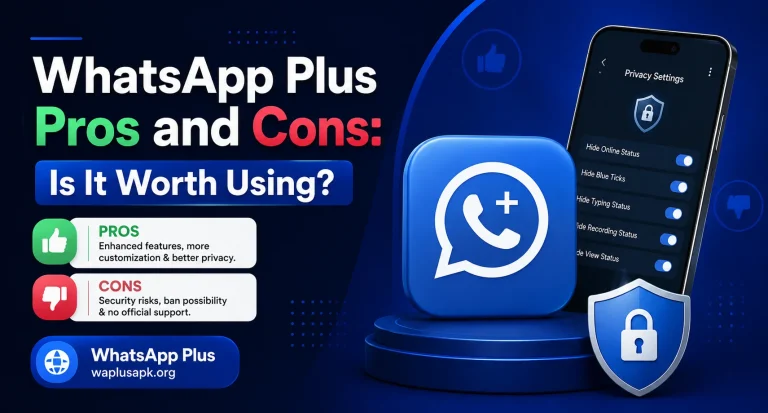
WhatsApp Plus does offer genuine customization and privacy-related features that appeal to a large number of Android users looking for more than what the standard app provides. But it’s not a risk-free decision, and no honest guide should present it as one. It sits outside the officially supported ecosystem, which means you’re trading certain security guarantees for extra functionality and personalization.
The smartest approach is to go in fully informed: back up your data thoroughly, consider using a secondary number if possible, scrutinize every permission request carefully, and accept that a ban or occasional instability is a real, documented possibility — not just a distant theoretical concern.
If, after weighing all of this honestly, you decide the added features are worth the trade-off, proceed carefully and treat your phone’s built-in security settings as your first line of defense — not as an obstacle to bypass without a second thought.